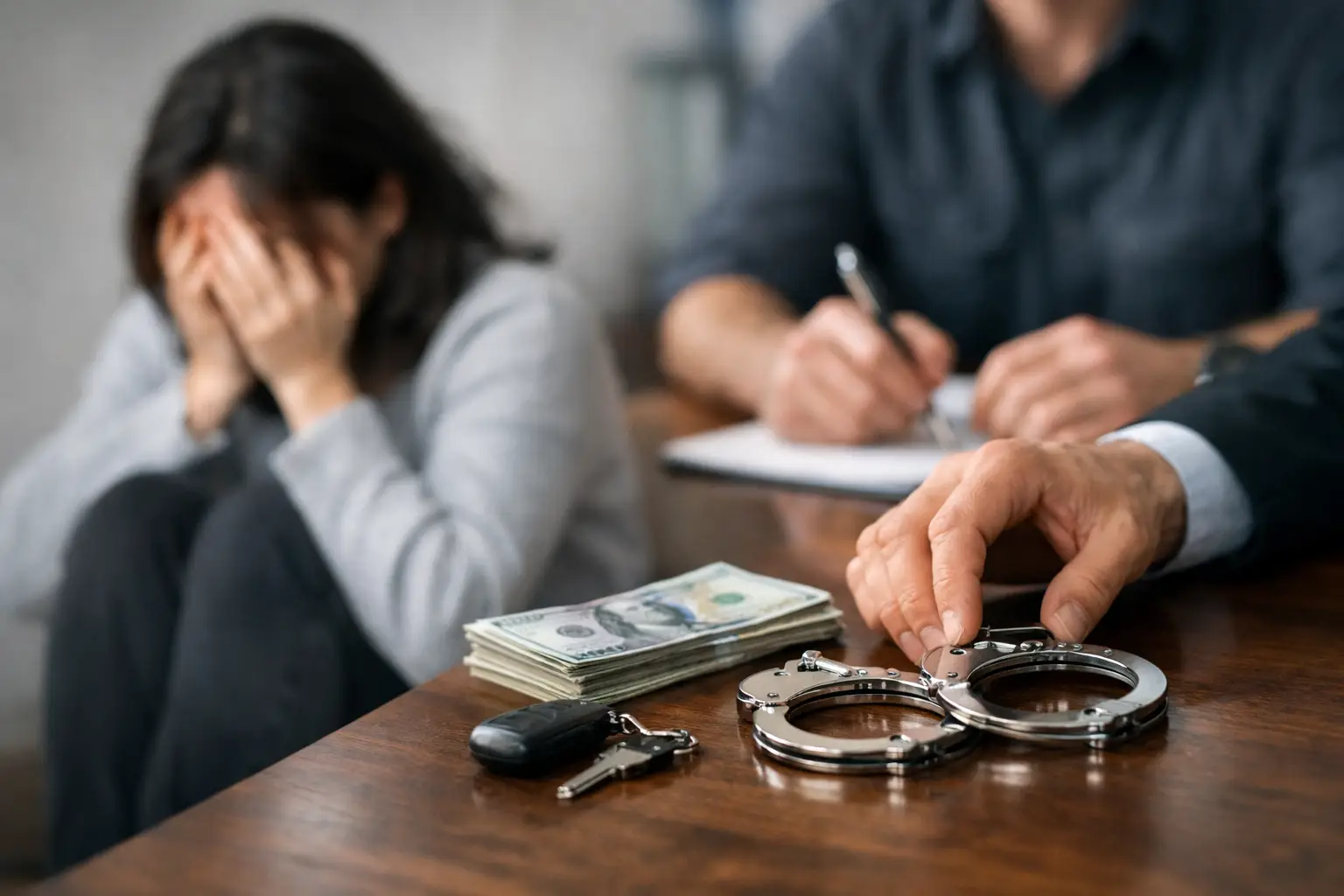
A domestic violence arrest changes the night fast. One argument, one call to police, and now someone you care about is in custody, the phone is ringing, and nobody is giving you a straight answer. If you are searching for domestic violence bail bonds, you need real information right now – not vague legal talk, not a runaround, and not a call center reading from a script.
In Southern California, these cases move differently than a basic misdemeanor arrest. Bail may be available, but release is not always instant. Courts can impose protective orders, jails can delay processing, and in some cases there may be a hold that keeps the person from walking out even after bond is posted. That does not mean you are stuck. It means you need to move fast and talk to a real bondsman who knows how these cases actually work in Ventura County, Oxnard, Ventura, Camarillo, Santa Barbara County, Los Angeles County, and Orange County.
How domestic violence bail bonds usually work
When someone is booked on a domestic violence-related charge, the jail will first process the arrest and enter the charges. After that, bail is either set from the county bail schedule or reviewed based on the facts of the arrest. In some situations, the amount is straightforward. In others, the charge level, injury allegations, prior history, or probation status can change the number or create more restrictions.
A bail bond lets the defendant get released without paying the full bail amount directly to the jail. Instead, a licensed bail bond agency posts the bond, and the defendant agrees to appear in court. The co-signer, if there is one, takes on financial responsibility under the bond agreement.
That is the basic part. The hard part is that domestic violence cases often come with conditions. A judge may order no contact with the alleged victim. The released person may have to return home differently than expected, stay somewhere else, or avoid phone calls and messages that would normally seem harmless. A fast release only helps if everybody understands those rules from the start.
Why domestic violence bail bonds can take longer
Families often assume that once bail is posted, release happens right away. Sometimes it does. Sometimes it does not.
Domestic violence arrests can trigger extra review because law enforcement, jail staff, and the court treat these allegations seriously. If there is a required court appearance before release, a protective order issue, or a Probation Hold Bail Bonds Ventura County, the person may stay in custody longer than someone arrested on a simple nonviolent charge. Booking delays, medical clearance, shift changes, and jail population levels can slow the process too.
That is why speed on the front end matters. The sooner the bond process starts, the sooner paperwork gets moving. Waiting until morning usually means more stress, more confusion, and more unnecessary custody time.
What affects bail amount and release conditions
No two domestic violence arrests are exactly the same. The charge might be a misdemeanor. It might be a felony. The report may claim minor contact, visible injuries, threats, a prior arrest, or alcohol involvement. Each of those details can affect bail.
In Ventura County Domestic Violence Bail Bonds and nearby areas like Oxnard, Ventura, and Camarillo, local procedure matters too. Jail logistics, court calendars, and release timing are not always the same as they are in Los Angeles or Orange County. That is one reason local experience matters in emergency bail situations.
A few factors commonly shape what happens next. The seriousness of the alleged injury matters. Prior domestic violence history matters. Whether children were present can matter. Whether the defendant was already on probation, parole, or had an active warrant can matter. And if a judge adds a criminal protective order, that order can change where the person can go and who they can speak to the second they get out.
This is where people make mistakes. They focus only on getting out, not on what release actually means. Then they accidentally violate a court order before the case even starts moving.
What families should do right away
First, stay calm enough to get the basics. You need the full legal name, date of birth if possible, where the person was arrested, and which jail may be holding them. If you know the charge, get that too. If you do not know every detail, that is fine. Start with what you have.
Second, be careful what you say over recorded jail calls. Families want to figure out what happened, but a jail call is not the place to argue the facts of the case. Keep it simple. Focus on location, health, and immediate next steps.
Third, understand that the alleged victim may not control the release decision. Many people think charges disappear if the other person says they do not want to press charges. That is not always how it works. Once law enforcement makes an arrest, the case can keep moving based on the report and prosecutor review.
Fourth, be realistic about timing. A rapid bond process helps, but nobody should promise a miracle timeline when a domestic violence hold, court review, or jail backlog is in play. Straight answers matter more than fake reassurance.
Domestic violence bail bonds in Ventura County and nearby areas
If the arrest happened in Oxnard, Ventura, Camarillo, or elsewhere in Ventura County, local handling can make a real difference. The same is true across Santa Barbara County, Los Angeles County, and Orange County. County systems are not all identical. Jail release procedures, court availability, and how fast information updates can vary from place to place.
That is why people in crisis usually do better with a local, responsive bondsman than with a big generic intake line. When someone is sitting in custody, you do not need to explain your situation three times to three different people. You need one person who can tell you what jail is involved, what the likely next move is, what paperwork is needed, and what could delay release.
Bada Bing Bail Bonds is built for exactly that kind of pressure. Real help. No delays. Just results.
The co-signer side of the deal
If you are Co-signing a bail bond on a domestic violence bond, ask direct questions before you agree. You should understand the premium, the payment terms, what happens if the defendant misses court, and whether collateral is required. You should also understand that signing the bond does not give you control over the criminal case.
This part gets emotional fast, especially when the arrest involves spouses, dating partners, or family members. Some co-signers act out of panic and only later realize they were not clear on the responsibility. Slow down just enough to understand the agreement. Fast action is good. Blind action is not.
There is also a practical side. If release conditions include no contact or a stay-away order, the defendant may not be able to return to the same home right away. Families should plan for that before release happens, not after.
Common confusion after release
The biggest misunderstanding is contact. People assume a quick text, apology, or ride request is harmless. If a protective order says no contact, that usually means no contact. Not direct. Not through another person. Not through social media. Not through a family member trying to help patch things up.
Another problem is missed court. Once someone is out on bond, every court date matters. Missing one can trigger a bench warrant, threaten the bond, and create a much worse situation than the original booking.
The smart move is simple. Get released. Follow the court conditions. Stay reachable. Show up.
When to call now, not later
If someone has just been arrested, waiting rarely improves anything. Booking starts moving right away. Bail decisions start moving right away. Court restrictions can start affecting the release path right away.
The sooner you talk to a bondsman, the sooner you know whether bail is set, what the likely cost is, whether a co-signer is needed, and what problems could hold things up. That kind of clarity matters when you are standing in the middle of a bad night trying to make one good decision.
Domestic violence cases are serious, and every case turns on its own facts. But serious does not mean hopeless. It means act fast, get accurate information, and work with someone who knows the local jails, the local timing, and the pressure your family is under.
If you are dealing with this in Oxnard, Ventura, Camarillo, or anywhere nearby, the best next step is the one that gets you real answers now. A calm voice, a clear plan, and immediate action can change the whole night.