You’re standing in the kitchen at 2 a.m., staring at a phone that finally stopped ringing. The call was short, maybe blunt, and now you’re trying to figure out whether your loved one is sitting in the Ventura County Jail, a local station in Oxnard, or still in booking somewhere between Ventura and the coast. For a bond for DUI case, that first hour matters, because release usually doesn’t start with money, it starts with timing, booking status, and the sobriety hold that can keep someone from walking out right away.
For families in Ventura, Oxnard, Camarillo, Port Hueneme, Thousand Oaks, Santa Paula, Moorpark, Fillmore, Ojai, and Santa Barbara, the biggest mistake is assuming every DUI arrest moves the same way. It doesn’t. Some cases are releasable fast through preset bond, some wait for a judge, and some sit longer because the jail still has to finish booking and clear the hold. That’s why 24-hour bail bonds Ventura searches usually happen in the middle of the night, not during business hours.
Table of Contents
- What Happens Right After a DUI Arrest
- What to Do in the First Hour After the Call
- How DUI Bail Amounts Are Set in California
- Working with a Bail Bondsman on a DUI Case
- Release Timelines and What to Expect at the Jail
- Common Mistakes That Delay DUI Bail Release
- Court Obligations and Staying Compliant After Release
What Happens Right After a DUI Arrest
A DUI stop often feels like it’s over the second the handcuffs click, but that’s not how the jail side works. In a Ventura County case, the sequence usually goes arrest, booking, bond determination, then release processing. That order matters, because you can’t post a bond until the jail has enough identifying and charge information to accept it.
The first hours are about custody, not freedom
In a real late-night arrest, the driver may be taken to a local police facility first or moved into the county jail system. Booking can take from about 45 minutes to several hours depending on the jail, and that delay is normal rather than a sign that something went wrong (booking timing overview). Families often call right away, but the booking number, jail location, and charge entry may not be ready yet.
That waiting period gets longer in DUI cases because some jurisdictions hold the person until a sobriety threshold is met. In Florida’s statewide DUI/BUI rules, defendants may be held until the blood-alcohol or breath-alcohol level is below 0.05 or 8 hours have elapsed, whichever happens first (Florida DUI release rule). Ventura County doesn’t use that same rule as a local statute, but the practical lesson is the same. DUI release can depend on more than just whether someone can pay.
Practical rule: if the arrest happened late, expect the first real release window to start after booking and any sobriety hold are cleared, not the moment the family hears “they’re at the jail.”
That’s why Ventura County Jail bail bonds work best when the agency is open around the clock and used to calling the jail back, not just taking a message. A night arrest in Ventura can move differently from a daytime arrest in Oxnard, and the difference is usually the facility’s processing rhythm, staffing, and whether the bond is preset or needs a judge. Families searching for fast bail bonds Ventura usually need someone who knows how to check status, not someone who guesses.
What to Do in the First Hour After the Call
The first call from jail can make people panic and start dialing before they’ve gathered anything useful. That slows everything down. The fastest cases are the ones where one person stays calm, gets the facts, and passes them to the bail agent in one clean call.
Have the basic identifiers ready
Before calling for help, gather the arrestee’s full legal name, date of birth, booking number, exact jail location, and the charges listed. Those details let the agent verify the record, confirm the bond amount, and tell you whether the jail is holding the person or already accepting paperwork. If you call with only a nickname or a guess at the charge, the clock starts over.
A good first call should also answer three practical questions. Who can sign, who can pay, and who can pick up after release. That’s especially important in a DUI case, because the co-signer may need to stay reachable while the jail reviews the bond packet.
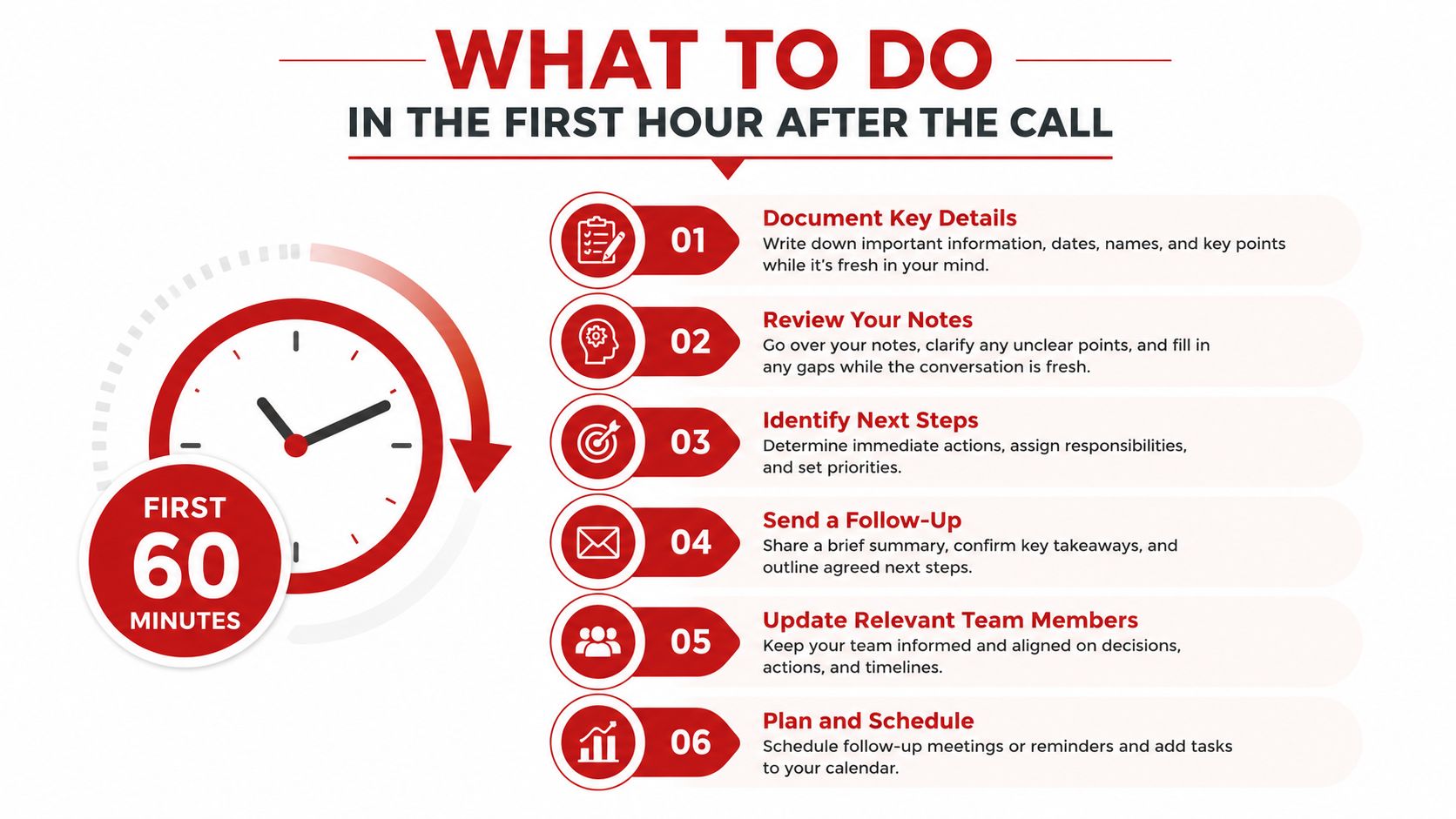
Good habit: put one person in charge of the call, one person in charge of paperwork, and one person in charge of pickup. Too many helpers usually slow the release down.
What the agent will ask next
The first conversation with a licensed agent is usually direct. Expect questions about the defendant’s identity, where they’re being held, whether there are prior arrests, and who will sign. In some Ventura County bail bonds situations, the agent may also ask about collateral, because repeat or higher-risk DUI cases can trigger extra security requirements.
This is the point where families sometimes bring up Bada Bing Bail Bonds or another local agency, and that’s fine. What matters is that the person taking the call knows how to work with the jail and can explain the charge without jargon. If you’re in bail bonds Oxnard territory, the same rule applies. Speed comes from having the right facts, not from making a second, more frantic call.
How DUI Bail Amounts Are Set in California
A DUI arrest in Ventura County does not start with a clean, fixed number. The jail checks the booking charge, the person’s history, and the local bail schedule the court uses before anyone can say what it will take to get them out. That is why a first arrest, a repeat case, and a felony-level DUI can all move through the jail differently, even when families hear the same charge on the phone.
Offense history changes the number fast
A court bond schedule can set a first-offense DUI at $1,000, a second-offense DUI at $2,500, and a third-offense DUI at $5,000 (court bond schedule). The point is simple, repeat DUI cases usually move into higher bail brackets because the court sees more risk, more prior exposure, and more reason to require a larger bond.
California references show the same pattern without tying Ventura to a single flat number. One overview describes California misdemeanor DUI bail as roughly $500 to $10,000, with felony DUI bail up to $50,000. For a Ventura County family, that difference can mean a standard surety bond in one case and a bond that calls for collateral, a co-signer, or a payment arrangement in another.
County schedules matter more than guesswork
Ventura families usually want one answer right away, but the jail does not work from guesses. It works from the local schedule, the booking details, and whether the case is being treated as a first-time misdemeanor, a repeat DUI, or something that needs a judge to set the amount. That is why a bond agent should verify the jail-set number before anyone decides how to post it.
California-specific guidance is easier to use when it is tied to the local schedule, not just the charge name. A practical Ventura County reference is the California bail schedule guide from Bada Bing, which helps families understand how scheduled bail amounts are read before release is posted. In real life, that step matters more than a rough estimate because the jail can hold the paperwork until the bond matches the amount in its system.
| Offense Type | Typical Bail Range | Bond Premium (10%) |
|---|---|---|
| First-offense DUI | Lower scheduled amounts in many courts, often near the bottom of the local range | 10% of the court-set bail |
| Repeat DUI | Higher than a first offense, often several times more | 10% of the court-set bail |
| Felony DUI | Much higher, especially with injury or prior history | 10% of the court-set bail |
That table is a working guide, not a release quote. The jail still has to confirm the actual amount before anyone can move from estimate to posting, and in Ventura County that verification step is what separates a late-night phone call from an actual pickup plan.
Working with a Bail Bondsman on a DUI Case
A DUI bond is both a financial agreement and a legal one. The family pays a non-refundable premium, the agency posts the bond with the jail, and the defendant agrees to appear in court and follow the release terms. In California, that premium is typically 10% of the total bail in many markets.
What the premium covers
The premium does not buy permanent freedom. It covers the posting of the bond and the work that comes with it, including confirming the court amount, preparing the paperwork, and delivering the bond to the jail. After that, the jail still has to process the release, so the payment alone does not control the exact walkout time.
The workflow is usually straightforward, even if the night feels chaotic. Verify the bail amount, confirm the arrestee’s identity, pay the premium, sign the bond paperwork, and let the bondsman post the bond at the jail. In many DUI cases, the agency will also explain release conditions such as supervision, no alcohol, no new offenses, or monitoring.
Co-signers and collateral are about risk, not punishment
A co-signer is the person who agrees to back the bond and stay in contact if the defendant misses court. Sometimes a signature is enough. Sometimes the bondsman asks for collateral, especially when the case is repeat, higher-risk, or carries a bigger bond. That is not a judgment on the family, it is the agency protecting itself against loss.
For a plain-English breakdown of the role, the paperwork, and the posting process, see what a bail bond agent does. If payment is the sticking point, some agencies set up payment plans so a family can move forward without waiting until morning. That can matter a lot in a bond for DUI case because the jail will not hold the door open while everyone sorts out the budget.
Release Timelines and What to Expect at the Jail
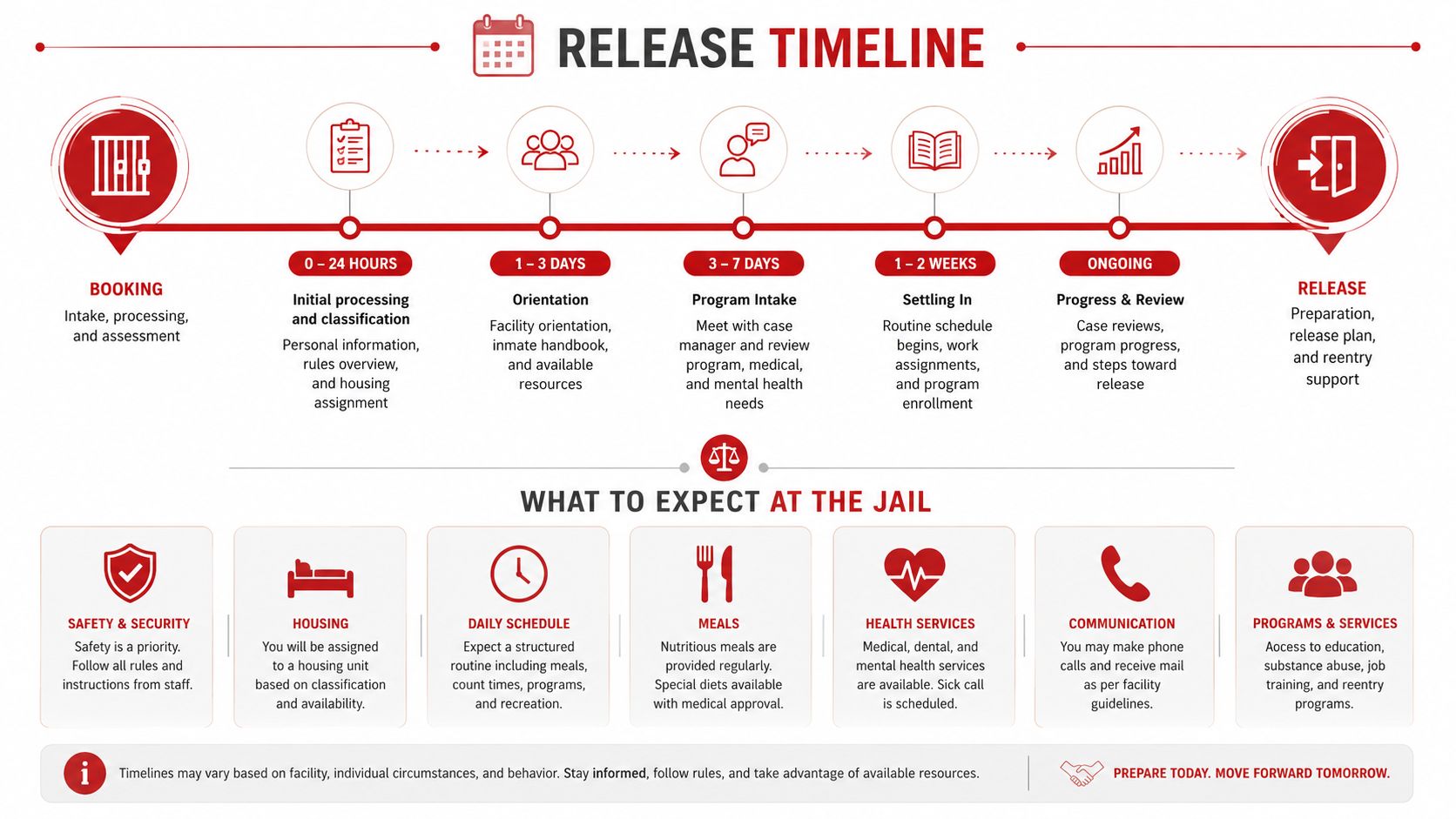
Once the bond is posted, families usually want one answer, “When do they get out?” The honest answer is that the jail still has work to do. Paperwork has to be received, processed, and cleared before the inmate is released, and that step can take longer than people expect.
Posting bond is not the same as immediate pickup
At the Ventura County Main Jail, the release side of the process can move differently from a smaller holding facility. Staffing, shift changes, and how many people are waiting for release all affect the clock. That’s why one case may move in a couple of hours while another sits much longer, even when the bond was accepted quickly.
A useful way to plan is to expect a release window, not a promise. If the agency posts the bond early and the jail is moving steadily, the pickup may happen the same night. If the jail is busy, the person may sit until the next administrative cycle. The practical guide on Ventura County Jail release timing is useful for families who need a facility-specific sense of the process.
Don’t park and wait blindly. Ask the agent which release area the jail uses and whether the bond has been accepted, because those two details save a lot of confusion.
Pickups work better with a simple plan
The person waiting outside should have a charged phone, the right pickup location, and a backup plan for delayed release. Bring identification and expect the released person to be tired, hungry, and not ready to deal with a complicated ride home. If the arrest happened in Oxnard, Ventura, or near the county jail, the pickup point can differ from the arrest site, so don’t assume the booking location and the release door are the same place.
That’s where Ventura County Jail bail bonds service matters most. The agency should keep checking status and tell the family when the paperwork moves, not just when the bond is posted.
Common Mistakes That Delay DUI Bail Release
Most delays in a DUI release are preventable. They happen because someone acts fast without getting the facts, or because the family assumes the jail and the bondsman are already on the same page. They aren’t, unless you make them be.
The mistakes that cost hours
Calling before you have the booking number is the first big error. Using a bondsman who doesn’t know the local jail system is the second. Failing to have payment ready, whether that’s cash, card, or collateral, is the third. Giving the wrong date of birth or a partial legal name can also stop the process cold.
A family can avoid most of that by following the checklist from the first hour and choosing a local agent who understands Ventura County procedures. The guide on what happens if you miss court also helps families understand why accuracy matters after release, not just at the moment of booking.
- Gather booking info first: the jail can’t move a bond forward if the arrestee can’t be found in the system.
- Use a local, reachable agent: someone who knows Ventura County facilities can usually tell you what stage the case is in.
- Have the money ready: if the premium is approved, waiting on payment can push the release to the next window.
- Double-check names and dates: even a small typo can send the packet back for correction.
Collateral disputes usually start with assumptions
Families sometimes think collateral only comes up in felony cases. That’s not always true. Repeat DUI, an injury allegation, or a higher-risk bond can change the agency’s risk review. If collateral is being discussed, get the terms clear before anyone signs.
Bottom line: a fast release usually comes from clean information, a reachable co-signer, and an agent who works the jail correctly the first time.
Court Obligations and Staying Compliant After Release
Getting out is only the first half of the job. A DUI bond comes with court dates and release conditions, and missing either can create a second arrest problem nobody wants at 3 a.m. The bond is there to keep the defendant coming back to court and following the rules while the case is pending.
The first court date is the one people miss
The first appearance is often the arraignment, and that date matters because it’s when the court starts the case formally. A useful overview of what happens at an arraignment can help families understand why that date should go on the calendar immediately. If the defendant skips it, the bond can be revoked and the agency can be drawn back into the case.
Release conditions can also be strict in DUI matters. They may include no alcohol, no new offenses, supervision, testing, or other monitoring terms depending on the court and the offense history. Those conditions are not side notes. They’re part of why the bond was allowed in the first place.
Stay in touch with the agent after release. A reputable agency doesn’t disappear after pickup, it keeps court reminders moving and helps the family track the next step.
Compliance protects the bond and the family
If the court orders treatment, monitoring, or other restrictions, treat them as real deadlines, not suggestions. Violation can create another arrest, more court trouble, and a harder path for getting any collateral returned. The safest habit is simple. Save every court notice, answer calls from the bail agent, and confirm each date as soon as it’s set.
That’s the part families usually don’t see at 2 a.m. The release feels urgent, but the next few weeks matter just as much. If you need a local team that posts bonds fast, explains the paperwork clearly, and follows the case through pickup and court reminders, contact Bada Bing Bail Bonds now. They handle DUI releases across Ventura County and can help you figure out the bond, the jail process, and the next step without wasting time.