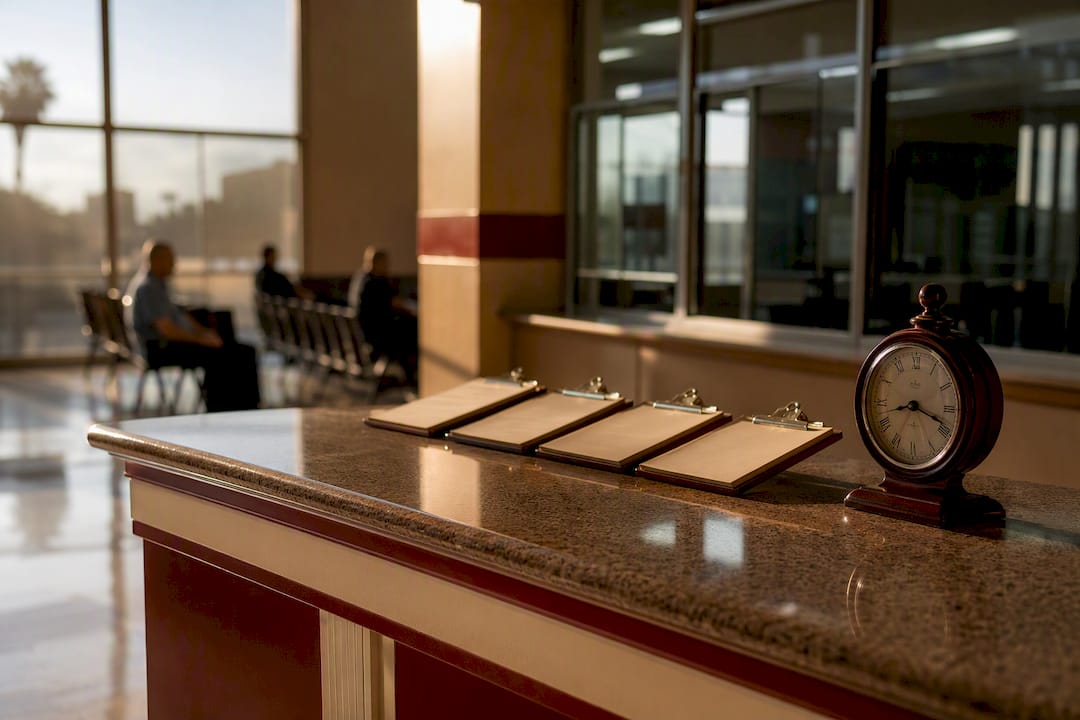
Arrests in Orange County are processed at the Intake Release Center (IRC) at 550 N. Flower St., Santa Ana, which runs intake, classification, and release around the clock. If someone you love just got arrested, your first moves are simple: confirm the booking number, check the OC Sheriff’s Inmate Information System or call Inmate Records, and find out the bail amount and which payment methods the Cashier’s Office will accept.
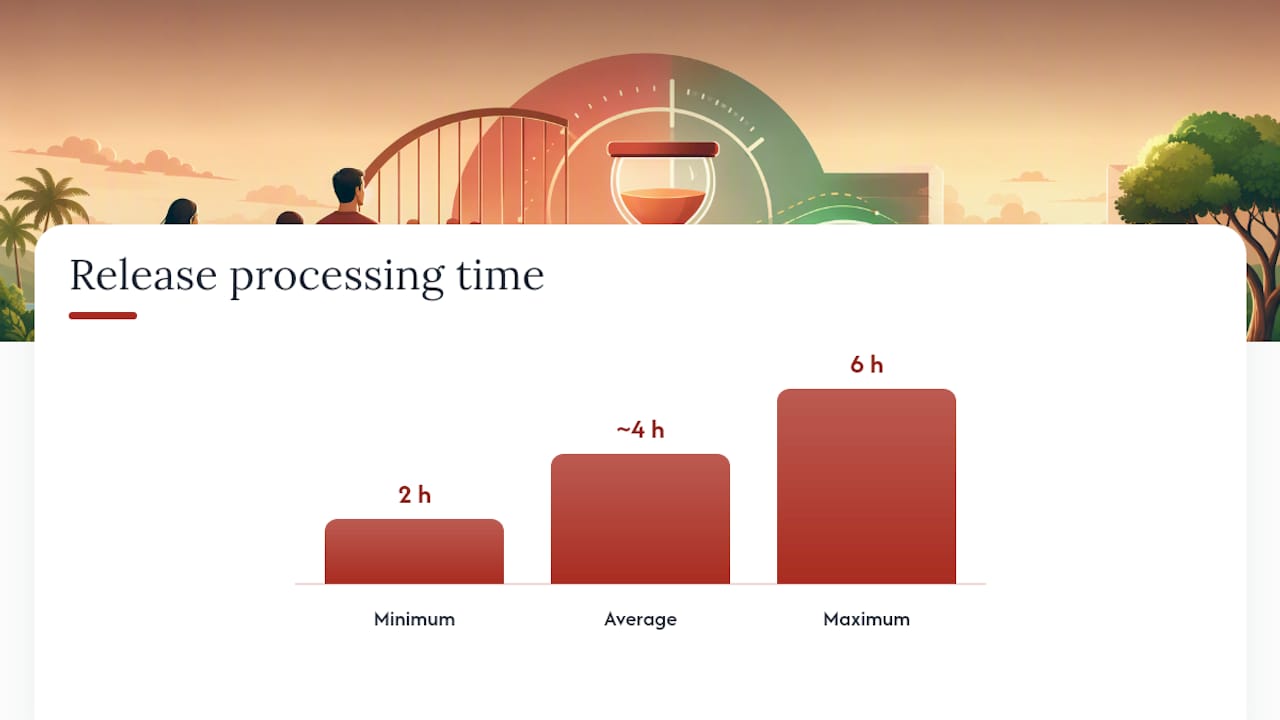
Plan on roughly 2 to 3 hours before charges and bail information show up in the system after booking. Once bail is posted, release typically takes another 2 to 6 hours, depending on paperwork volume and whether any holds are attached to the case.
Quick reference:
- Facility: Intake Release Center, 550 N. Flower St., Santa Ana, CA 92703 (open 24/7)
- Booking-to-record delay: about 2 to 3 hours
- Bail-to-release window: about 2 to 6 hours
Callout: Most delays families run into aren’t about the jail being slow. They’re about arriving with the wrong payment method or not having a booking number confirmed first.
Key Takeaways
Every step of the Orange County booking process runs through the IRC in Santa Ana, and confirming the booking number and payment method before you arrive is what actually saves time.
| Point | Details |
|---|---|
| Bookings happen at the IRC | All arrests process through 550 N. Flower St., Santa Ana, open 24/7. |
| Records take time to post | Charges and bail details typically appear 2 to 3 hours after booking. |
| Release isn’t instant | Plan for 2 to 6 hours between posting bail and actual release. |
| Payment method matters | Confirm accepted forms (cash, card, cashier’s check) with Inmate Records first. |
| Bada Bing speeds the process | Badabingbail offers 24/7 licensed bail agents and financing to handle IRC logistics for you. |
This article is general information, not a substitute for advice from a qualified lawyer. Consult a qualified legal professional about your own circumstances before acting on anything here.
Table of Contents
- Overview of the Orange County Intake & Release Center (IRC)
- What happens during booking and intake at the IRC
- How to find an inmate and check booking status
- Posting bail and what happens at release
- Property, commissary, and clothing exchange
- Holds, transfers, and why release can take longer
- When to call a bail agent
- What families should actually expect
- How Bada Bing Bail Bonds can help in Orange County
- Sources
Overview of the Orange County Intake & Release Center (IRC)
Every arrest in the county funnels through one building. The IRC at 550 N. Flower St. in Santa Ana handles intake, classification, medical screening, records entry, and release processing for the entire Orange County jail system, and it never closes.
The facility does more than process paperwork. It’s responsible for medical and mental health screening, housing classification, and property inventory for every person booked. Families arriving at the IRC lobby will also find on-site reentry support:
- Project Kinship, offering transportation and housing referrals
- Social Services and Probation representatives
- The IRC Cashier’s Office, for posting bail directly
If you’re not sure who to talk to, start with Inmate Records. That office fields most family questions and can redirect you if you need the cashier or a specific unit.
What happens during booking and intake at the IRC
Booking isn’t one step. It’s a sequence, and each phase exists for a legal or safety reason, which is part of why the whole thing rarely takes under two hours.
- Probable cause check. A Receiving Deputy confirms a completed Probable Cause Declaration exists before accepting the arrestee, per Policy 3000.
- Medical and mental health screening. Every person booked goes through triage. This step protects both the individual and jail staff, and it’s non-negotiable even if it adds time.
- Receiving review. Identity is verified and pre-booking forms are completed.
- Photographs and fingerprints. Standard identification records are captured for the case file.
- Property inventory. Personal belongings are logged and receipted under the forms process outlined in Policy 2500.
- Booking number issued. This number becomes the reference point for everything that follows, including bail lookups.
- Classification and housing assignment. Records staff determine where the individual is housed based on the case and screening results.
Records entry happens throughout this chain, which is why charges and bail amounts don’t appear instantly. Give it the typical two to three hour window before assuming something’s wrong.
Pro Tip: Write down the booking number the moment you get it from arresting officers or jail staff. Without it, both the online portal and phone calls to Inmate Records take longer, since staff have to search by name instead.
Some bookings move faster. Medical emergencies or specific court orders can trigger expedited handling, but that’s the exception, not something to count on for a standard arrest.
How to find an inmate and check booking status
Your fastest path is the OC Sheriff’s Public Services Portal, which houses the department’s Inmate Information System. You’ll need to create an account with a valid email address and password before you can search.
Once you’re logged in:
- Search by the inmate’s name or the booking number if you have it
- Review the status fields for booking date, housing location, and any listed charges
- Check back after the 2 to 3 hour window if information looks incomplete
Here’s the catch worth knowing up front: the Inmate Information System currently limits some charge details depending on the case and system rollout. If the portal doesn’t show what you need, that’s normal, not a glitch.
Pro Tip: If the portal is missing bail or charge details past the three hour mark, call Inmate Records directly instead of refreshing the page. Staff there can confirm information the online system hasn’t posted yet.
Posting bail and what happens at release
Bail can be posted 24/7 at the IRC Cashier’s Office, but call Inmate Records first to verify the exact amount and which payment method applies to that specific case.
Accepted payment forms generally include:
- Cash
- Credit or debit cards
- Cashier’s checks
- Personal checks, with valid ID
- Money orders
- Traveler’s checks
Some cases require cash or check only, so confirming ahead of time saves a wasted trip. Bring government-issued photo ID, and be ready to explain your relationship to the person in custody if asked.
The type of release matters too. Cash bail means paying the full amount directly, refundable after the case resolves. A surety bond through a licensed bail agent requires a nonrefundable premium, usually a fraction of the total bail. Own recognizance (OR) release requires no payment at all, granted at a judge’s discretion based on flight risk and charge severity.
Once payment clears, release typically takes 2 to 6 hours. Staff cite an average around four hours, with paperwork volume and holds pushing that window in either direction.
Pro Tip: Confirm the bail amount with Inmate Records right before you leave for the IRC, not the night before. Amounts can change if additional charges get filed.
Property, commissary, and clothing exchange
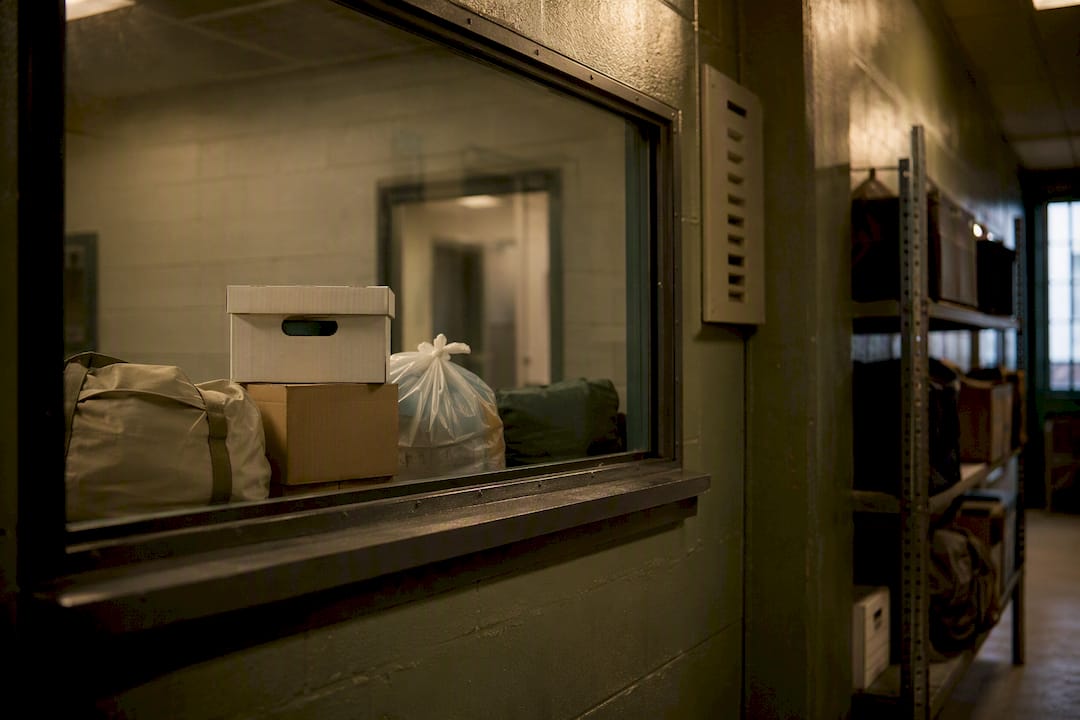
Personal belongings taken during booking are inventoried and stored, and families can pick up released property at designated windows once the inmate is transferred out or released.
Depositing money for commissary can be done online through the Sheriff’s portal or in person at the jail, though both methods usually require the inmate’s booking number and valid ID from the depositor.
Pro Tip: Confirm which housing facility the inmate has been transferred to before attempting a property pickup or clothing exchange. Showing up at the wrong building means starting over.
Holds, transfers, and why release can take longer
Not every release runs on the standard timeline. Out-of-county holds, state parole holds, and fugitive bookings from other jurisdictions all extend how long someone stays in custody, even after bail is posted.
These situations trigger supplemental booking paperwork under the detainer rules in Policy 2500, which governs how centralized records handle multi-jurisdiction cases. If a hold shows up on the inmate’s record:
- Call Inmate Records to confirm which agency placed the hold
- Ask what documentation, if any, the family or a bail agent needs to provide
- Expect no clear release date until the holding agency responds
Holds are the single biggest wildcard in an otherwise predictable process.
When to call a bail agent
Call a licensed bail agent when the full cash amount isn’t realistic, when you want someone who knows the paperwork cold, or when you’d rather have a professional meet you at the jail than navigate it solo.
Here’s what an agent typically handles:
- Posts the surety bond directly with the Cashier’s Office
- Confirms bail amount and accepted payment forms with Inmate Records before traveling to the IRC
- Walks the co-signer through required paperwork, including ID and collateral if the bond calls for it
Before you call, have ready: the co-signer’s government ID, your relationship to the arrestee, funds for the premium or a qualifying down payment, and any collateral information if the bond amount requires it. Our guide on posting bail fast breaks down how bail amounts get set in the first place.
Pro Tip: Give the agent the exact bail amount and payment method upfront. Agents who show up with the wrong paperwork face the same delays families do.
What families should actually expect
The real bottleneck usually isn’t the jail. It’s mismatched expectations: waiting on records to post, showing up with the wrong payment type, or discovering a hold nobody mentioned.
Two things cut your time at the IRC in half: confirm the booking number before you leave home, and verify bail amount and payment method with Inmate Records before you drive over.
How Bada Bing Bail Bonds can help in Orange County
Between confirming a booking number, tracking down bail information, and figuring out which payment method the Cashier’s Office will actually accept, families lose hours to logistics they didn’t sign up for. That’s the gap Badabingbail closes: a licensed agent who already knows the IRC’s process, meets you at the jail, and handles the paperwork instead of you piecing it together mid crisis.

Badabingbail is available 24/7 across Orange, Ventura, and Santa Barbara Counties, with flexible financing and low down payment options for families who can’t cover the full bail amount upfront. Spanish-language support is available for co-signers who need it. If someone you love was just booked at the IRC, learn how to bail someone out fast and get a licensed agent working on the release while you’re still reading this.
Sources
- Intake Release Center (IRC) | Orange County California – Sheriff’s Department
- OC Sheriff’s Public Services Portal — login page
- Redacted-Policy 2500 – Inmate Records (PDF) | Orange County Sheriff’s Department