That call usually comes at the worst time. Late at night, phone battery low, everyone talking at once, and one question cutting through the panic: how do I get them out now?
If you’re trying to figure out how to bail someone out of jail in Ventura County, the fastest path is to slow down for a minute and get the right information first. Families lose the most time when they guess at the jail, the charges, or the bail amount. The system won’t move on guesswork.
Ventura County has its own rhythms, its own jail processing flow, and its own local realities in places like Ventura, Oxnard, Camarillo, Port Hueneme, Thousand Oaks, Santa Paula, Moorpark, Fillmore, and Ojai. If the arrest happened nearby, you need a local, practical plan, not generic internet advice.
Table of Contents
- The First Call What to Do Immediately
- Cash Bail vs Bail Bonds Understanding Your Options
- Working with a Ventura County Bail Bondsman
- The Release Process Timelines and Pickup Logistics
- After Release Court Compliance and Getting Collateral Back
- Ventura and Santa Barbara County Bail FAQs
The First Call What to Do Immediately
It is 2 AM, your phone rings, and all you catch is, “I’m in jail.” At that point, speed comes from getting clean information, not from rushing to pay someone.
In Ventura County, the first job is to confirm three things. Where they are, whether booking is complete, and whether bail has been set. A person can be arrested and still not be fully booked into the system, which means the jail may not give you a firm release path yet.
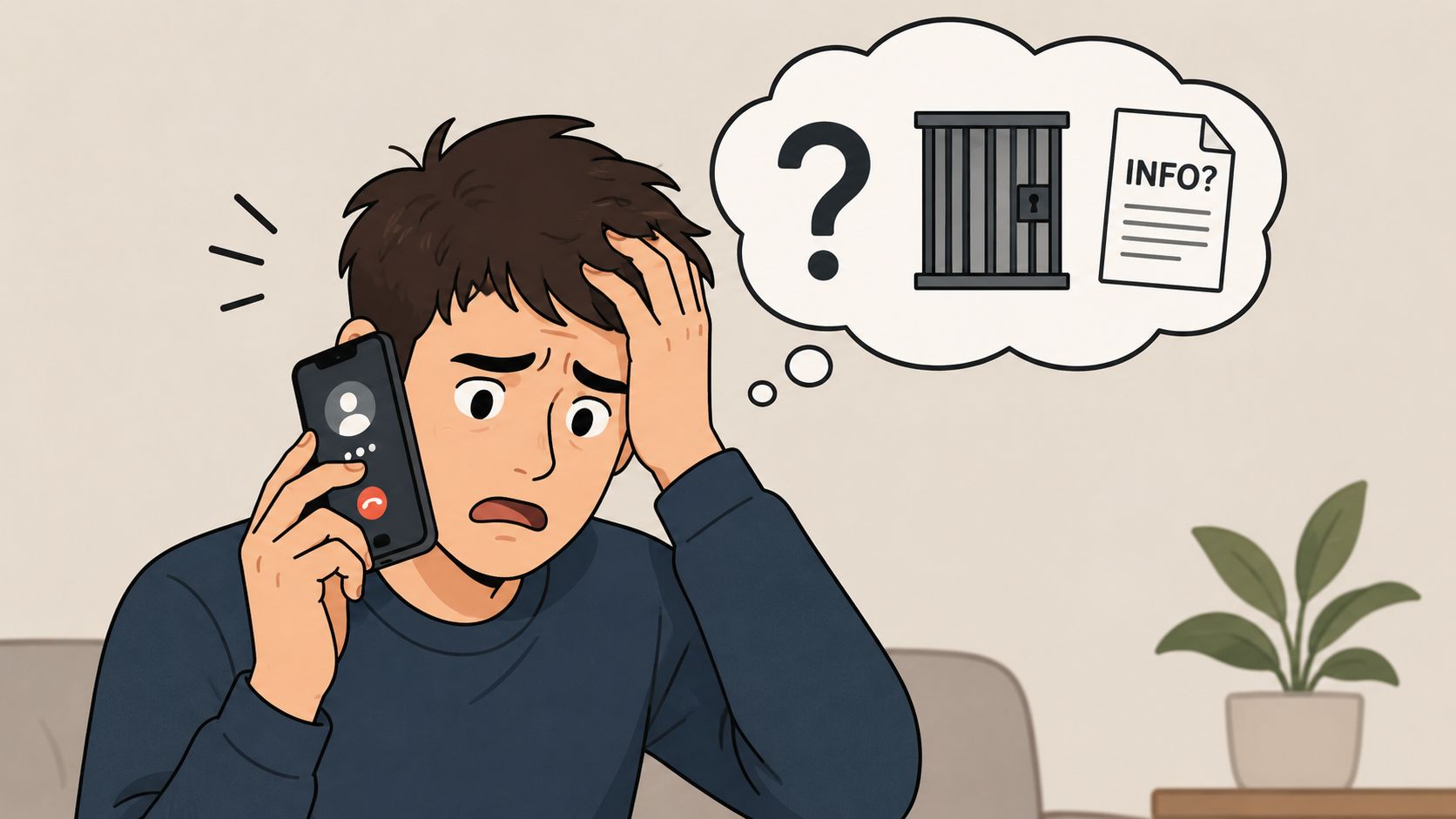
Get the right details before you spend money
Around Ventura County, families often hear different city names and assume that tells them where pickup will happen. It does not. An arrest in Oxnard, Ventura, Simi Valley, Thousand Oaks, Camarillo, or Port Hueneme does not always mean the person will stay at the nearest local facility. Booking location and release location can affect how long this takes and where you need to go later.
Get as much of this information as you can before you agree to any payment:
- Full legal name: Use the exact name they were booked under.
- Date of birth: This helps separate similar names in the system.
- Booking number: If you have it, verification usually goes faster.
- Exact jail location: Ventura County handling can change by facility and housing status.
- Charges: The listed charge can affect timing and release conditions.
- Bail amount: Ask for the amount that is set, not a guess.
- Any hold or restriction: Immigration holds, probation issues, or court holds can delay release or block it.
For help verifying the location first, use this local guide on how to find someone arrested in Ventura County before you start calling random numbers.
One rule saves families a lot of grief. Do not hand over money until booking, bail amount, and jail location have all been confirmed.
What to ask during that first call
Keep the call short and focused. Jail calls are brief, stressful, and sometimes confusing.
Ask:
- What full name were you booked under?
- Which jail or station told you where you are being held?
- Do you know your booking number?
- What charges did they mention?
- Has bail been set yet?
- Did they mention any hold, probation issue, or court appearance before release?
If they do not know the answers, that is common. It usually means the next step is verification with the jail or booking system, not payment.
I tell families the same thing every night. The person who gets the name, booking number, and facility right usually gets faster results than the person who panics and starts throwing money at the problem. In Ventura County, that difference matters because release timing can change based on where the person is housed, whether the booking is finished, and whether the jail is waiting on another agency or court instruction.
Cash Bail vs Bail Bonds Understanding Your Options
Once bail is set, the question changes from “Where are they?” to “How are we paying for release?” In Ventura County, that decision often gets made fast, sometimes from a parking lot outside the Pre-Trial Detention Facility or while calling family to pull funds together.
You usually have two paths. Pay the full bail amount to the jail or court, or use a bail bond and pay the premium.
What cash bail means
Cash bail means putting up the entire bail amount out of pocket. If the defendant makes every required court appearance and there is no forfeiture, the money is generally returned through the court process after the case moves through the system.
For some families, cash bail is the right call. If the amount is within reach and tying up that money will not put rent, payroll, car payments, or other bills at risk, it can be the more straightforward option.
For many families, it is not realistic. The Prison Policy Initiative’s jail data shows how often people remain in local jails before trial and how heavily release can depend on access to money.
What a bail bond means in California
In California, the standard bail bond premium is 10% of the total bail. On a $20,000 bail, that usually means paying $2,000 to a licensed bondsman instead of coming up with the full $20,000 at once. That premium is non-refundable.
A bond changes who is backing the full bail amount. The bail company guarantees the bond to the court, and the co-signer takes on financial responsibility if the defendant misses court or violates the bond terms. On higher bail amounts, or where the risk is greater, collateral may also be required.
In practice, this is why many families choose a surety bond. It lowers the upfront cash burden, but it also creates a real obligation for the co-signer. If you want a closer local explanation, this guide on the difference between cash bail and bond explains how each option works in California.
| Feature | Cash Bail | Bail Bond |
|---|---|---|
| Upfront payment | Full bail amount paid to court or jail | Premium paid to bondsman |
| Refundable | Usually returned after the case if all appearances are made and there is no forfeiture issue | Premium is non-refundable |
| Best fit | Families with enough liquid cash to tie up the full amount | Families who need a smaller upfront payment |
| Risk to savings | High, because the full amount is tied up | Lower upfront cash, but co-signer obligations still matter |
| Paperwork | Court or jail payment process | Bond application, indemnity agreement, and possibly collateral |
Paying cash can look cheaper on paper. It can be the more expensive choice if draining an account causes missed rent, late fees, bounced payroll, or trouble covering a lawyer.
Around Ventura County, I tell families to make the decision based on what they can sustain for the next few weeks, not just what sounds cheapest at 2 in the morning. The right choice is the one that gets the person out without creating a second emergency at home.
Working with a Ventura County Bail Bondsman
At 2 AM, the right bondsman does two things fast. They calm the situation down, and they tell you exactly what they need to get started.
In Ventura County, local experience matters. A bondsman who works this county regularly can check where the person is being held, confirm whether bail is available yet, and catch issues that slow families down, like holds, transfer questions, or incomplete booking information. That matters whether the arrest happened in Oxnard, Ventura, Camarillo, Simi Valley, or Thousand Oaks.
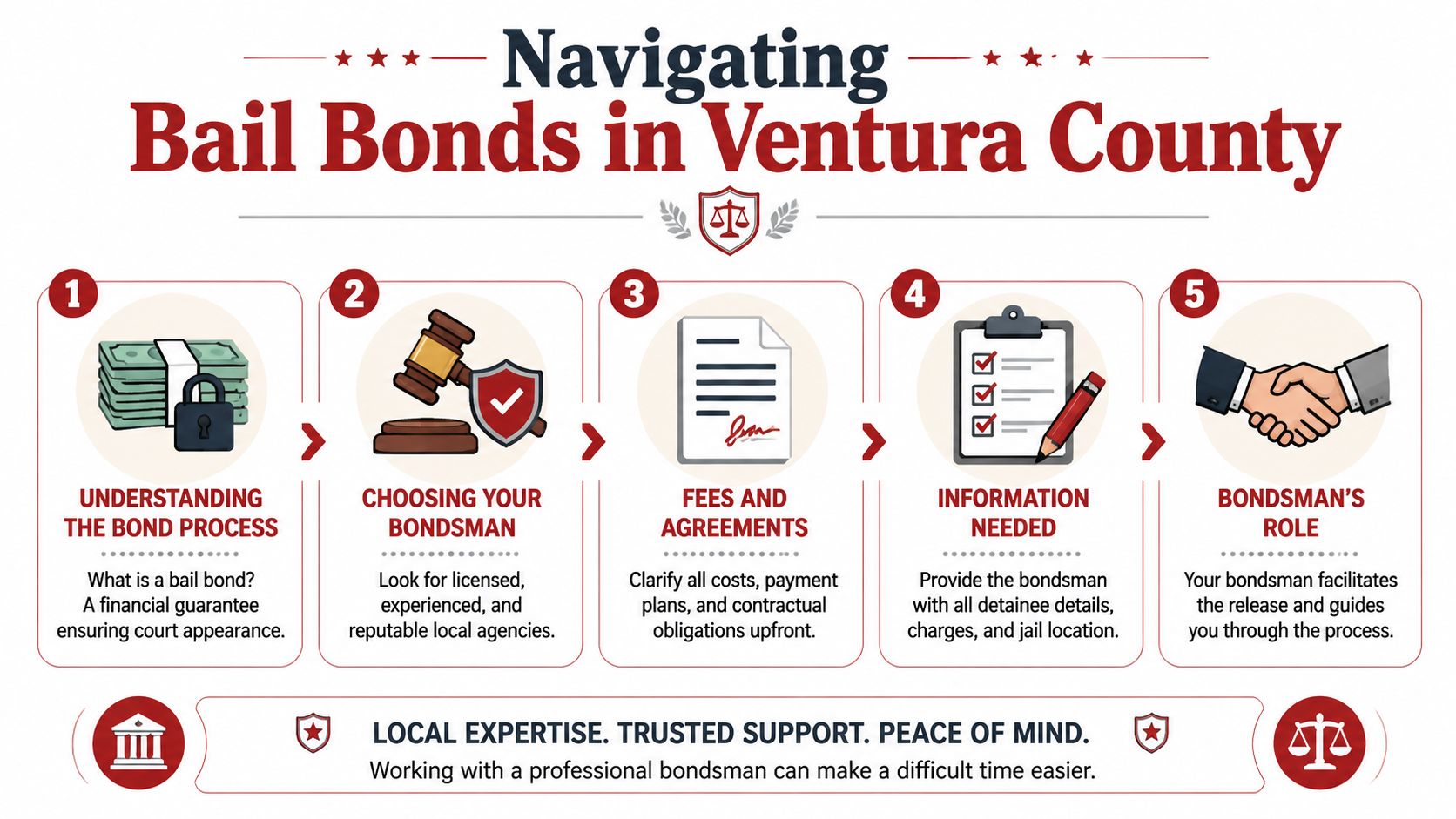
What the call with a bondsman should sound like
A solid call is plain and efficient. You give the defendant’s full legal name, date of birth if you have it, booking number if available, the jail or arresting agency, and any charges you know. The bondsman verifies the booking, checks the bail amount, and tells you whether the bond can be posted now or whether something still has to clear first.
They should also explain the job clearly. If you have never used a bondsman before, this plain-language guide to what a bail bond agent does helps explain the role.
Before you sign anything, you should hear clear answers on:
- Who is financially responsible
- What the premium payment covers
- Whether collateral is being requested
- What paperwork is needed from the co-signer
- Whether documents can be signed remotely
- What could delay release even after the bond is posted
If the person on the phone dodges basic questions or rushes past the co-signer obligation, keep calling. A good Ventura County bondsman does not hide the hard parts.
Co-signers, collateral, and paperwork
The co-signer is the person standing behind the bond. That means real financial responsibility if the defendant misses court or breaks the bond terms.
Families sometimes hear “we just need a signature” and assume it is routine paperwork. It is more than that. Read the indemnity agreement. Ask what happens if the case gets transferred, if the defendant picks up a new charge, or if the court date is missed. Those details matter more than any sales pitch.
Collateral does not come up on every bond. It is more common when the bail amount is high, the risk looks stronger, or the agency cannot approve the bond on signature alone. The asset could be vehicle title paperwork, property-related documents, or another item the agency accepts.
Ask these questions before agreeing to collateral:
- What asset is being pledged
- What paperwork proves the pledge
- When the collateral is released back
- What specific event puts the collateral at risk
- Who decides whether additional collateral is needed
A lot of Ventura County bond paperwork can be handled electronically, which helps when relatives are spread across Oxnard, Ventura, Port Hueneme, Moorpark, or Thousand Oaks. That saves time, but it does not reduce the seriousness of what you are signing.
Choosing local help in Ventura County
County-specific experience helps because each jail has its own rhythm, and arrest location is not always the same as holding location. Someone arrested by a local police department may still end up being processed through a Ventura County facility, and families lose time when they assume the wrong pickup point or call the wrong desk.
I tell families to listen for practical knowledge. Can the bondsman explain the likely booking path? Do they know the difference between getting the bond approved and getting the inmate released? Can they explain what the co-signer needs to send right now so the file does not sit incomplete?
Those are better signs than a generic promise of a fast release.
If you are comparing options, these local service pages can help:
- Ventura bail bonds
- Ventura County bail bonds
- Oxnard bail bonds
- Thousand Oaks bail bonds
- 24/7 bail bond help
One local option is Bada Bing Bail Bonds, which states that it handles Ventura and surrounding Southern California counties, explains charges and bail schedules, offers payment plans and co-signer options, and coordinates release logistics with local jails.
The Release Process Timelines and Pickup Logistics
Posting the bond starts the release process. It does not finish it.
That’s where a lot of families get frustrated. They pay, then expect the person to walk out ten minutes later. Jail release doesn’t work that way.
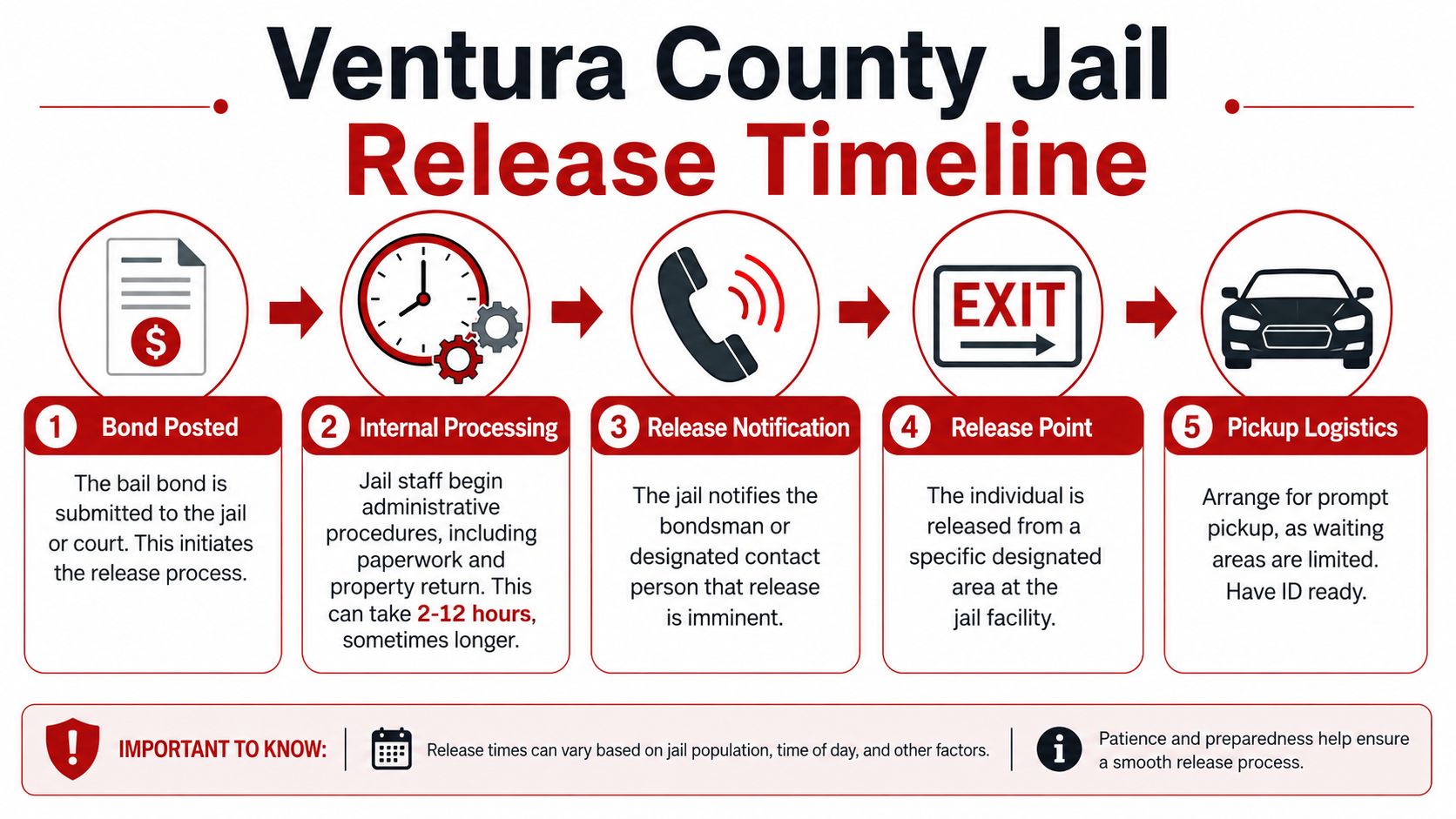
What happens after the bond is posted
Once the bond is accepted, jail staff still have to complete internal processing. That can include reviewing paperwork, checking for other holds, completing release approvals, and returning property.
A useful benchmark from this guide on release timing after bail is posted is that release timing is driven more by jail workflow than by payment speed, and can take from a few hours to longer depending on the facility’s processing queue. That same source notes the standard surety premium is about 10% of the total bail amount.
If you want a Ventura-specific explanation of local timing, this page on how long release from Ventura County Jail can take is useful for setting expectations.
Here’s a quick visual on the flow from posting to pickup:
Common reasons release slows down:
- Incomplete paperwork: One missing signature can hold the file.
- Jail shift changes or backlog: Processing pace depends on facility workload.
- Additional holds: Another agency or another case can stop release.
- Property return and final checks: The person often has to clear several internal steps before walking out.
Don’t call the jail every ten minutes demanding release. Make one contact person, stay available, and let the bondsman update you when there’s a real change.
How to prepare for pickup
Use the waiting time well. Plan the pickup before the release call comes.
Bring or arrange:
- A charged phone: The released person may not have a working phone.
- A safe ride home: Don’t assume rideshare pickup is ideal late at night near a jail release area.
- Basic clothing if needed: Sometimes people want a change after release.
- Medication planning: If they need lawful prescribed medication, handle that carefully and separately once they are out.
- A calm first conversation: Focus on next steps, not blame.
If the arrest happened in Ventura, Oxnard, or Thousand Oaks, traffic and distance can still affect pickup timing, especially overnight. Waiting areas are limited, and release points can change based on jail procedures. Keep your phone on, stay close, and be ready to move when the call comes.
After Release Court Compliance and Getting Collateral Back
Getting out is the first victory. Keeping the bond in good standing is what protects everyone after that.
At this stage, families make preventable mistakes. They breathe out, go home, and treat the bond as finished. It isn’t finished until the case is resolved and the court exonerates the bond.
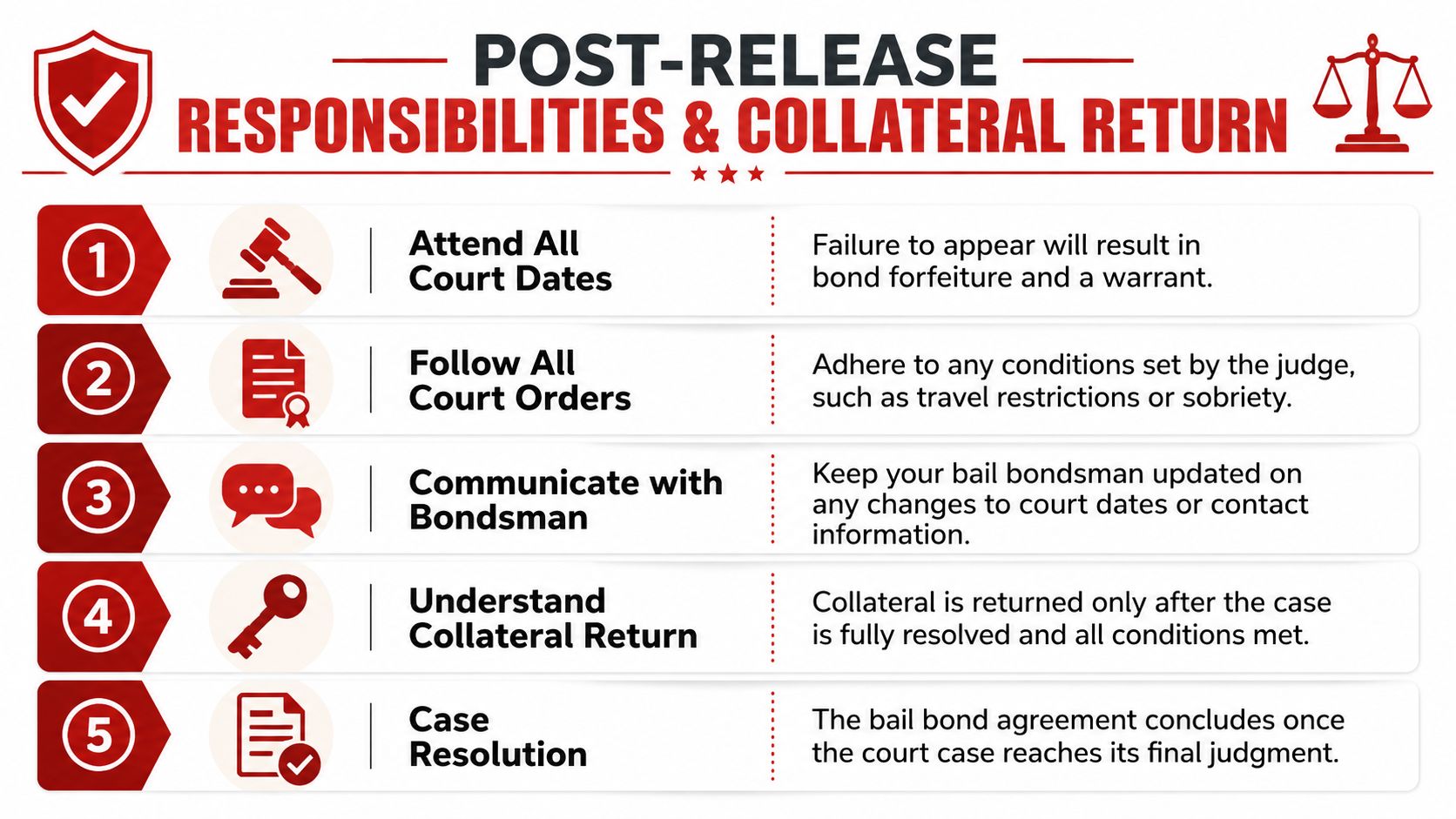
Release is not the finish line
After release, the defendant has to appear at every required court date and follow any release conditions. If they miss court, things can unravel fast. The bond can be forfeited, a warrant can issue, and the co-signer can face serious financial exposure.
That’s why post-release support matters. A report discussing The Bail Project’s work notes that many guides focus only on getting someone out, while successful release depends on follow-through, including court-date compliance and managing collateral risk, and that support such as reminders helps reduce failures to appear, as described in this article on post-release support and court reminder assistance.
The practical rules are simple:
- Keep contact information current: If your phone changes, tell the bondsman.
- Track every court date carefully: Don’t rely on memory.
- Read release paperwork: Travel limits or other conditions may apply.
- Tell the bondsman about schedule changes: Continuances and new dates matter.
- Take the case seriously from day one: Missed appearances create the biggest problems.
A helpful California-specific explanation of refunds and bond outcomes is this page on whether you get bail money back in California.
When collateral comes back
Collateral is tied to risk on the bond, not to guilt or innocence. It stays in place until the bond obligation ends and the case is fully resolved under the court process.
That means two things have to happen. The defendant must satisfy the bond obligations, and the court must close out the matter in a way that releases the surety’s liability.
If you pledged collateral, don’t just ask, “When do I get it back?” Ask, “Has the bond been exonerated yet?” That’s the question that matters.
Ventura and Santa Barbara County Bail FAQs
How do I bail someone out fast in Ventura County?
Get the full legal name, booking number, jail location, charges, and exact bail amount first. Fast action starts with accurate information, not rushed payment.
Is paying cash always better than using a bond?
Not always. Cash means tying up the full bail amount. A bond usually means a smaller upfront payment, but the premium is non-refundable and the co-signer takes on obligations.
Can a lawyer help before I post bond?
Yes. In some cases, counsel may be able to seek lower bail or a release option that doesn’t require a paid bond. If the case is serious or the amount is high, involving a lawyer early can be smart.
Do Ventura County and Santa Barbara County work exactly the same way?
No. The basic process is similar, but jail workflow, release timing, and local handling can differ. Always confirm the exact facility and local procedure before making assumptions.
What if I’m searching for bail bonds near me late at night?
Look for a licensed local agent who answers live, verifies booking details, explains the terms clearly, and knows Ventura County and nearby Santa Barbara County procedures.
What cities do local agents commonly cover?
We cover Ventura, Oxnard, Camarillo, Port Hueneme, Thousand Oaks, Santa Paula, Moorpark, Fillmore, Ojai, and Santa Barbara.
If you need help right now, Bada Bing Bail Bonds provides 24/7 bail bond assistance for Ventura County, Santa Barbara County, Los Angeles, and nearby Southern California areas. A licensed agent can help verify booking details, explain the bail amount and co-signer requirements, and walk you through the next steps clearly.